
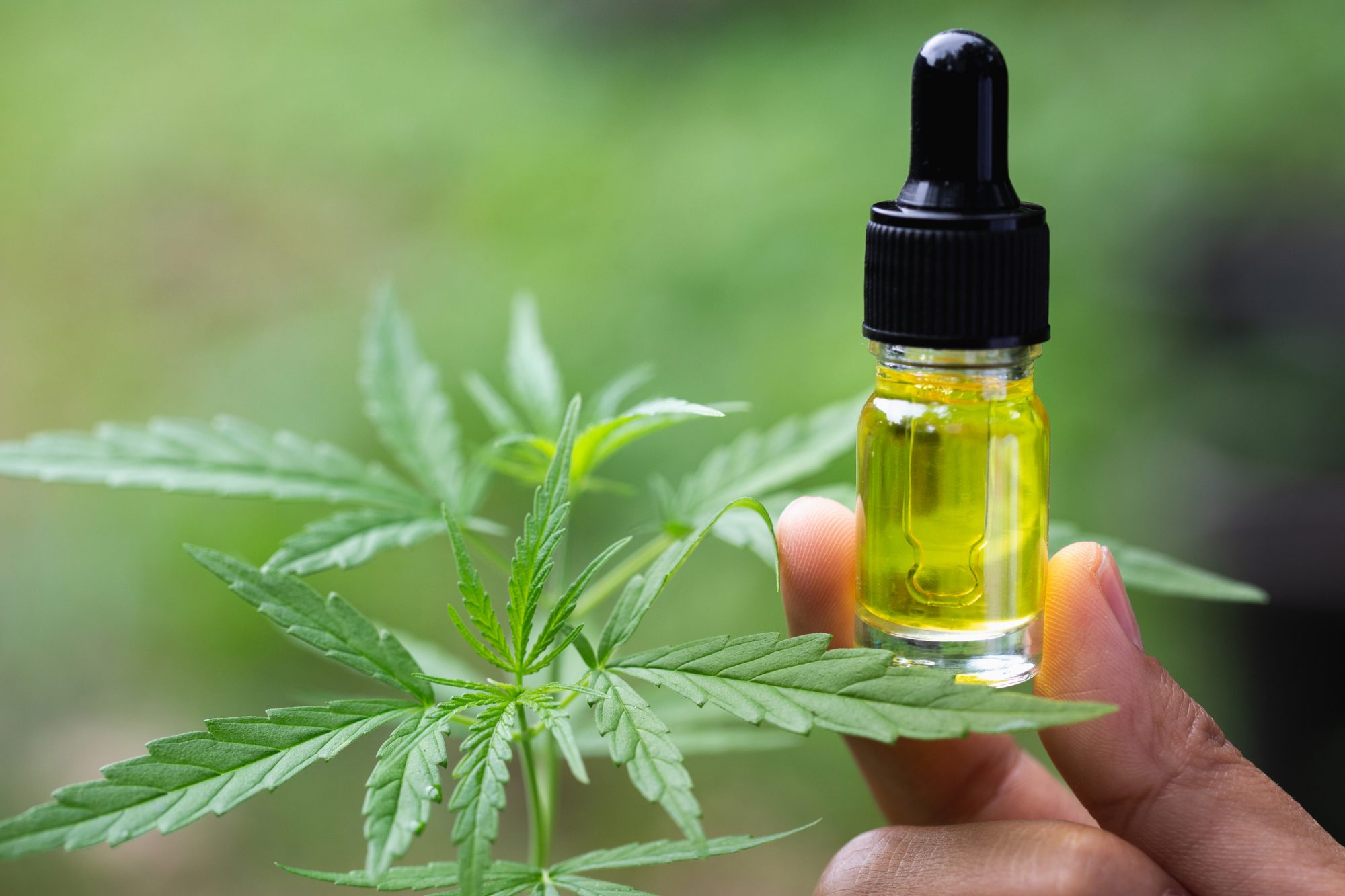
Are you curious about the potential uses of ? Look no further! In this article, we will delve into the world of and explore its various applications.
, short for cannabidiol, is a compound found in cannabis plants. Contrary to popular belief, it does not produce a ‘high’ effect like THC, another well-known compound in cannabis. Instead, offers a wide range of potential benefits for your well-being.
From providing relief from anxiety and depression to managing chronic pain and inflammation, has been gaining popularity as a natural remedy. It also holds promise in treating neurological disorders, sleep disorders, substance abuse, digestive issues, mental health conditions like PTSD, and much more.
As research continues to uncover the potential of , it’s an exciting time to explore its future possibilities. So sit back and prepare to learn all about what can be used for!
Key Takeaways
- is used for alleviating symptoms of anxiety and depression, improving mood and sleep, and enhancing cognitive function and focus.
- is also used for managing chronic pain and inflammation, with studies showing its effectiveness in reducing arthritis-related joint swelling and pain and improving pain and muscle spasms in multiple sclerosis patients.
- has potential benefits for neurological disorders, such as reducing seizures in epilepsy patients, managing symptoms of multiple sclerosis, and providing relief from neuropathic pain.
- is used in skincare and beauty products, as it has anti-inflammatory properties for skin conditions, reduces acne and redness, and promotes healthy skin and a youthful appearance.
Understanding and Its Origins
, derived from the cannabis plant, has been gaining popularity in recent years due to its potential therapeutic benefits. If you’re curious about what is and where it comes from, you’ve come to the right place.
, short for cannabidiol, is a natural compound found in the cannabis plant. It’s one of over a hundred cannabinoids that have been identified so far. Unlike its cousin THC (tetrahydrocannabinol), does not have any psychoactive effects, meaning it won’t get you high.
The cannabis plant itself has a long history of medicinal use dating back thousands of years. Ancient civilizations recognized its potential healing properties and used it for various ailments. However, it wasn’t until recently that scientists started to study individual compounds found in cannabis more closely.
gained attention as researchers discovered its potential therapeutic effects on various health conditions. From chronic pain relief to reducing anxiety and alleviating symptoms associated with epilepsy and multiple sclerosis, has shown promise in many areas.
One of the reasons has become so popular is because it can be consumed in different forms. Whether you prefer oils, capsules, gummies, or even topical creams and lotions, there’s a product out there for everyone.
While research on the full extent of ‘s benefits is still ongoing, many people have reported positive experiences with using products for their well-being. As always, before incorporating any new supplement into your routine, consult with a healthcare professional to ensure it’s safe for you.
In conclusion, understanding and where it comes from is essential when exploring its potential uses. With its growing popularity and promising therapeutic benefits backed by scientific research thus far, continues to be an intriguing option for those seeking alternative wellness solutions.
Relief from Anxiety and Depression
Achieving relief from anxiety and depression can be possible with the help of . It has been found to provide soothing effects on your mental well-being, making it easier to cope with daily stressors. interacts with receptors in the brain that regulate fear and anxiety, reducing feelings of unease and worry. Additionally, has shown potential in improving mood and reducing symptoms of depression by influencing serotonin receptors in the brain. Insomnia, often associated with anxiety and depression, can be addressed with , as it helps improve sleep quality by addressing underlying causes such as racing thoughts or physical discomfort. ‘s ability to interact with neurotransmitters can enhance cognitive function and focus, promoting mental clarity and productivity. Incorporating into your daily routine might provide the relief you’ve been searching for when it comes to managing anxiety and depression symptoms effectively. However, it’s essential to consult with a healthcare professional before starting any new supplement regimen to ensure its compatibility with your current medications or treatments.
Managing Chronic Pain and Inflammation
Addressing chronic pain and inflammation can be a challenging journey, but incorporating into your wellness routine may offer some relief. Chronic pain affects millions of people worldwide, making it difficult to carry out daily activities and impacting overall quality of life. Traditional treatments often come with undesirable side effects or provide limited relief. This is where comes in.
, short for cannabidiol, is a naturally occurring compound found in the cannabis plant. Unlike its counterpart THC (tetrahydrocannabinol), does not cause psychoactive effects or make you feel ‘high.’ Instead, it interacts with the body’s endocannabinoid system to help regulate pain and inflammation.
Numerous studies have shown promising results regarding the use of for managing chronic pain and inflammation. The compound works by activating receptors in the endocannabinoid system, which helps modulate pain signals and reduce inflammation levels throughout the body.
One study published in the European Journal of Pain found that applied topically reduced arthritis-related joint swelling and pain in rats. Another study published in Clinical Therapeutics showed that patients with multiple sclerosis experienced significant improvements in pain and muscle spasms after using oil.
Many individuals who incorporate into their wellness routine report reduced pain levels, improved mobility, and better overall quality of life. It can be used as a complementary treatment alongside traditional therapies or as an alternative option for those seeking natural alternatives.
If you’re considering using for managing chronic pain and inflammation, it’s important to consult with a healthcare professional who can guide you through the process and help determine the optimal dosage for your specific needs. Remember that everyone’s body reacts differently to medications, so finding what works best for you may require some trial and error.
In conclusion, addressing chronic pain and inflammation is no easy task, but adding to your wellness routine may provide some much-needed relief. With its potential to alleviate discomfort without causing psychoactive effects or unwanted side effects, offers a natural alternative for managing chronic pain and inflammation. Consult with a healthcare professional to ensure safe and effective usage tailored to your individual needs.
Potential Benefits for Neurological Disorders
To better manage neurological disorders, you’ll be glad to know that incorporating into your wellness routine has shown potential benefits. , or cannabidiol, is a natural compound found in the cannabis plant that does not produce the psychoactive effects typically associated with marijuana. Here are three ways may help with neurological disorders:
- Reducing seizures: One of the most well-known uses of is for treating epilepsy and reducing seizures. In fact, there is an FDA-approved medication called Epidiolex, which contains and is specifically used to treat certain types of epilepsy. Studies have shown that can help decrease seizure frequency and improve overall quality of life for those living with epilepsy.
- Managing symptoms of multiple sclerosis (MS): Multiple sclerosis is a chronic autoimmune disease that affects the central nervous system. People with MS often experience muscle spasms, pain, and inflammation. Research suggests that can help alleviate these symptoms by reducing muscle spasticity and inflammation. It may also provide relief from neuropathic pain commonly associated with MS.
- Alleviating Parkinson’s disease symptoms: Parkinson’s disease is a neurodegenerative disorder that affects movement control. Some studies have found that may have neuroprotective properties and could potentially slow down the progression of Parkinson’s disease. Additionally, it has been suggested that may help manage non-motor symptoms such as sleep disturbances and anxiety commonly experienced by individuals with Parkinson’s.
Incorporating into your wellness routine may offer potential benefits for managing neurological disorders like epilepsy, multiple sclerosis, and Parkinson’s disease. However, it’s important to note that more research is needed to fully understand how works in relation to these conditions. As always, consult with a healthcare professional before starting any new treatment regimen.
Treating Sleep Disorders and Insomnia
If you’re struggling with sleep disorders or insomnia, incorporating into your wellness routine may provide potential benefits. Many people turn to as a natural alternative to traditional sleep aids, as it is believed to have calming and relaxing effects on the body. Research suggests that may help improve sleep by addressing underlying causes such as anxiety, stress, and pain.
interacts with the body’s endocannabinoid system, which plays a role in regulating various physiological processes including sleep. By interacting with receptors in this system, may help promote a sense of calmness and relaxation, making it easier to fall asleep and stay asleep throughout the night.
To give you an idea of how can potentially benefit those dealing with sleep disorders and insomnia, here is a table outlining some key findings from studies:
| Study | Findings |
|---|---|
| A 2019 study published in The Permanente Journal | 67% of participants experienced improved sleep within the first month of using . |
| A 2014 study published in Current Neuropharmacology | showed potential for reducing symptoms of REM sleep behavior disorder (RBD), a condition associated with nightmares and disturbed sleep. |
| A 2017 review published in Frontiers in Pharmacology | Preclinical evidence suggests that has therapeutic potential for treating insomnia by reducing anxiety-related behaviors. |
It’s important to note that while these studies show promising results, more research is needed to fully understand the effectiveness of for treating sleep disorders and insomnia. If you’re considering incorporating into your wellness routine for better sleep, it’s recommended to consult with a healthcare professional who can provide guidance based on your specific needs.
Skin Care and Acne Treatment
When it comes to improving your skin and treating acne, incorporating into your skincare routine may offer potential benefits. , short for cannabidiol, is a natural compound found in the cannabis plant that has gained popularity for its numerous therapeutic properties.
One of the reasons why is gaining traction in the skincare industry is its anti-inflammatory properties. Acne is often caused by inflammation in the skin, leading to redness, swelling, and breakouts. By using skincare products infused with , you can help reduce inflammation and soothe irritated skin.
also has antioxidant properties that can help protect your skin from environmental damage. Free radicals are molecules that can cause oxidative stress and premature aging. By neutralizing these free radicals, helps prevent damage to collagen and elastin fibers in the skin, keeping it youthful and healthy-looking.
Additionally, studies have shown that may regulate oil production in the sebaceous glands of the skin. Excessive oil production is often associated with acne breakouts. By balancing oil production, can help prevent clogged pores and reduce the occurrence of acne.
Another benefit of incorporating into your skincare routine is its potential to alleviate dryness and hydrate the skin. -infused products often contain moisturizing ingredients like hyaluronic acid or shea butter that work together with to keep your skin nourished and hydrated.
In conclusion, if you’re looking for a natural way to improve your skin health and treat acne, adding -infused products to your skincare routine might be worth considering. With its anti-inflammatory properties, antioxidant effects, regulation of oil production, and hydration benefits, offers promising potential for achieving clear and radiant skin.
Managing Symptoms of Cancer and Side Effects of Treatment
Take control of your cancer symptoms and the side effects of treatment by considering how -infused products may help manage them. Cancer and its treatments can cause a wide range of symptoms, including pain, nausea, vomiting, loss of appetite, and anxiety. , or cannabidiol, is a compound found in cannabis plants that has been shown to have potential therapeutic benefits for managing these symptoms.
works by interacting with the body’s endocannabinoid system (ECS), which plays a role in regulating various bodily functions such as pain sensation, appetite, and mood. By stimulating the ECS, may help alleviate pain and inflammation associated with cancer. It has also been found to have anti-nausea properties, making it useful for reducing chemotherapy-induced nausea and vomiting.
In addition to symptom management, may also help counteract some of the side effects of cancer treatment. For example, it can stimulate appetite in patients experiencing weight loss due to chemotherapy or radiation therapy. It may also help reduce anxiety and improve sleep quality in individuals undergoing cancer treatment.
To give you an idea of how can benefit cancer patients, here is a table summarizing its potential uses:
| Symptom | Potential Benefits |
|---|---|
| Pain | Alleviates pain and inflammation |
| Nausea | Reduces chemotherapy-induced nausea and vomiting |
| Appetite Loss | Stimulates appetite in patients experiencing weight loss |
| Anxiety | Helps reduce anxiety associated with cancer treatment |
| Sleep Disturbances | Improves sleep quality |
It is important to note that while shows promise for managing cancer symptoms and side effects of treatment, it should not be used as a substitute for conventional medical care. Always consult with your healthcare provider before incorporating into your treatment plan.
Support for Heart Health
Support for heart health can be enhanced through various methods and lifestyle choices. One method that has gained attention in recent years is the use of . , or cannabidiol, is a compound found in cannabis plants that does not produce a psychoactive effect. It has been studied for its potential benefits in supporting heart health.
Research suggests that may have several properties that could benefit the cardiovascular system. For example, studies have shown that may help reduce inflammation and oxidative stress, both of which are important factors in the development of heart disease. Additionally, may have anticoagulant effects, meaning it could help prevent blood clots from forming and potentially reduce the risk of heart attacks or strokes.
In addition to its potential direct effects on heart health, may also have indirect benefits. For instance, research has shown that can help lower anxiety and stress levels, both of which can contribute to heart disease. By reducing these risk factors, could potentially support overall cardiovascular health.
It’s important to note that while early research is promising, more studies are needed to fully understand how affects heart health. It’s always best to consult with a healthcare professional before starting any new supplement or treatment regimen.
In conclusion, while more research is needed to fully understand the effects of on heart health, preliminary studies suggest that it may have potential benefits in supporting cardiovascular wellness. Incorporating lifestyle choices such as regular exercise and a balanced diet alongside consulting with a healthcare professional can further enhance overall heart health support efforts.
Potential Benefits for Substance Abuse and Addiction
To fully explore the potential benefits of for substance abuse and addiction, it is important to consult with a healthcare professional. , or cannabidiol, is a natural compound found in cannabis plants that has gained attention for its potential therapeutic effects on various health conditions, including substance abuse and addiction.
Research suggests that may have a positive impact on substance abuse and addiction. It interacts with the endocannabinoid system in our bodies, which plays a crucial role in regulating physiological processes such as mood, stress response, and cravings. By modulating this system, may help reduce drug cravings and withdrawal symptoms associated with addiction.
One study conducted on animal models found that reduced relapse behavior induced by drug cues. Another study showed that could potentially be used to manage symptoms of opioid withdrawal. However, it is important to note that these studies are preliminary and more research is needed to fully understand the effectiveness of for substance abuse and addiction.
In addition to its potential impact on cravings and withdrawal symptoms, may also have anxiolytic properties. Substance abuse often co-occurs with mental health disorders such as anxiety or depression. By reducing anxiety levels, may help individuals cope better with the challenges of recovery.
While there is growing evidence supporting the potential benefits of for substance abuse and addiction, it should not be considered a standalone treatment option. A comprehensive approach that includes therapy, support groups, and other interventions is typically recommended for addressing substance abuse issues effectively.
Therefore, if you are considering using as part of your journey towards recovery from substance abuse or addiction, it is essential to consult with a healthcare professional. They can assess your individual situation and provide guidance tailored to your needs, helping you determine if incorporating into your treatment plan would be beneficial and guiding you through the process safely.
Addressing Digestive Issues and Improving Appetite
Boost your digestive health and revitalize your appetite with the potential benefits of . If you’re struggling with digestive issues or find it difficult to maintain a healthy appetite, may be able to provide some relief. Here are four ways in which can help address digestive problems and improve your overall well-being:
- Reducing inflammation: One of the key benefits of is its anti-inflammatory properties. Inflammation in the digestive system can lead to discomfort and various gastrointestinal issues. By reducing inflammation, may help alleviate symptoms such as bloating, abdominal pain, and diarrhea.
- Relieving nausea: Another potential benefit of is its ability to reduce nausea and vomiting. Whether you experience these symptoms due to a medical condition or as side effects of medication, incorporating into your routine might provide some relief.
- Regulating gut motility: has been shown to influence gut motility, which refers to the contraction and relaxation of muscles in the digestive tract. By promoting proper gut motility, may help regulate bowel movements and prevent issues like constipation or diarrhea.
- Increasing appetite: Loss of appetite is a common issue that can have negative impacts on overall health and well-being. Research suggests that can stimulate appetite by interacting with receptors in the endocannabinoid system involved in regulating hunger and satiety.
Incorporating into your daily routine could potentially offer relief from digestive issues while also boosting your appetite. However, it’s important to consult with a healthcare professional before starting any new supplement regimen, especially if you have underlying medical conditions or take other medications that might interact with . Remember that everyone’s body reacts differently, so finding the right dosage and form of for optimal results may require some experimentation.
Potential Benefits for Mental Health and PTSD
Improve your mental well-being and find relief from PTSD with the potential benefits of incorporating into your routine. , or cannabidiol, is a compound derived from the cannabis plant that has been gaining attention for its therapeutic properties. While more research is needed to fully understand how works, preliminary studies suggest that it may have positive effects on mental health and help alleviate symptoms of PTSD.
One study conducted on individuals with social anxiety disorder found that helped reduce anxiety levels and improve cognitive function. Another study suggested that may have anti-depressant-like effects by increasing serotonin levels in the brain. Serotonin is a neurotransmitter that plays a key role in regulating mood and emotions.
In addition to its potential benefits for anxiety and depression, may also be helpful for individuals suffering from post-traumatic stress disorder (PTSD). Some research suggests that can help reduce hyperarousal symptoms associated with PTSD, such as nightmares and flashbacks. It may also aid in improving sleep quality and reducing insomnia, which are common problems among those with PTSD.
To better illustrate the potential benefits of using for mental health and PTSD, here is a table showcasing some preliminary findings:
| Potential Benefits | Studies Supporting Evidence |
|---|---|
| Reduced anxiety | Study 1 |
| Improved cognitive function | Study 2 |
| Anti-depressant-like effects | Study 3 |
| Reduction in hyperarousal symptoms | Study 4 |
| Better sleep quality | Study 4 |
While these early studies show promising results, it’s important to note that more research is needed to fully understand how effective is for mental health conditions like PTSD. Always consult with a healthcare professional before incorporating any new treatment into your routine.
Exploring the Future of Research and Regulation
The future of research and regulation holds exciting possibilities that could revolutionize mental health treatment. As more studies are conducted on the effects of , researchers are discovering its potential to alleviate symptoms of various mental health conditions, including anxiety, depression, and PTSD. With promising findings emerging, it is likely that will become an integral part of mental health treatment in the coming years.
One area where the future of research is particularly promising is in the treatment of post-traumatic stress disorder (PTSD). Preliminary studies have shown that may help reduce anxiety and improve sleep quality in individuals with PTSD. This has sparked interest among researchers who believe that could be a valuable addition to existing treatments for this debilitating condition. Further research is needed to fully understand how interacts with the brain and how it can be optimized for use in PTSD patients.
In terms of regulation, the future looks bright for as well. While regulations surrounding vary from country to country, there is growing recognition of its potential therapeutic benefits. As more scientific evidence emerges supporting its use in mental health treatment, it is likely that regulatory bodies will take steps to ensure safe access to high-quality products.
Overall, the future holds great promise for in the field of mental health. Continued research will help uncover its full potential and refine its application for different conditions. With proper regulation and oversight, has the potential to provide relief and improve the lives of countless individuals struggling with mental health issues.
Frequently Asked Questions
Can be used to treat specific types of neurological disorders, such as Alzheimer’s or Parkinson’s disease?
can potentially be used to treat specific types of neurological disorders such as Alzheimer’s or Parkinson’s disease. It has shown promise in reducing symptoms and improving overall quality of life for individuals with these conditions.
Is there any evidence to suggest that can be effective in reducing symptoms of substance abuse and addiction?
There is evidence suggesting that can be effective in reducing symptoms of substance abuse and addiction. It has shown promise in alleviating cravings, withdrawal symptoms, and even protecting against relapse.
Are there any potential side effects or risks associated with using for managing chronic pain and inflammation?
There are potential side effects and risks associated with using for managing chronic pain and inflammation. It is important to be aware of these potential risks before considering as a treatment option.
Can be used as a complementary therapy to traditional cancer treatments, such as chemotherapy or radiation?
Yes, can be used as a complementary therapy alongside traditional cancer treatments like chemotherapy or radiation. It has shown potential in reducing side effects such as pain, nausea, and inflammation.
What is the current state of research and regulation, and what can we expect in the future?
In the future, you can expect more research and regulation on . The current state of research is evolving, with promising results in various areas. Stay informed to see what new discoveries emerge!
Conclusion
In conclusion, offers a multitude of potential benefits for various health conditions. Whether you’re seeking relief from anxiety and depression or managing chronic pain and inflammation, may provide a natural solution.
It also shows promise in treating sleep disorders, substance abuse, digestive issues, and mental health conditions like PTSD. As research continues to explore the full potential of and regulations evolve, it’s an exciting time for this natural compound.
So why not give it a try and see if can improve your well-being?